
Core service
Restaurant Hood Cleaning in Charlotte, NC
Hood and exhaust cleaning built around a working restaurant: overnight and pre-open windows, protected equipment, and a line that is ready for the next service.
- Overnight and early-morning scheduling
- Cooking equipment covered before work starts
- Recurring intervals set by cooking type
- Documentation for inspections and insurers
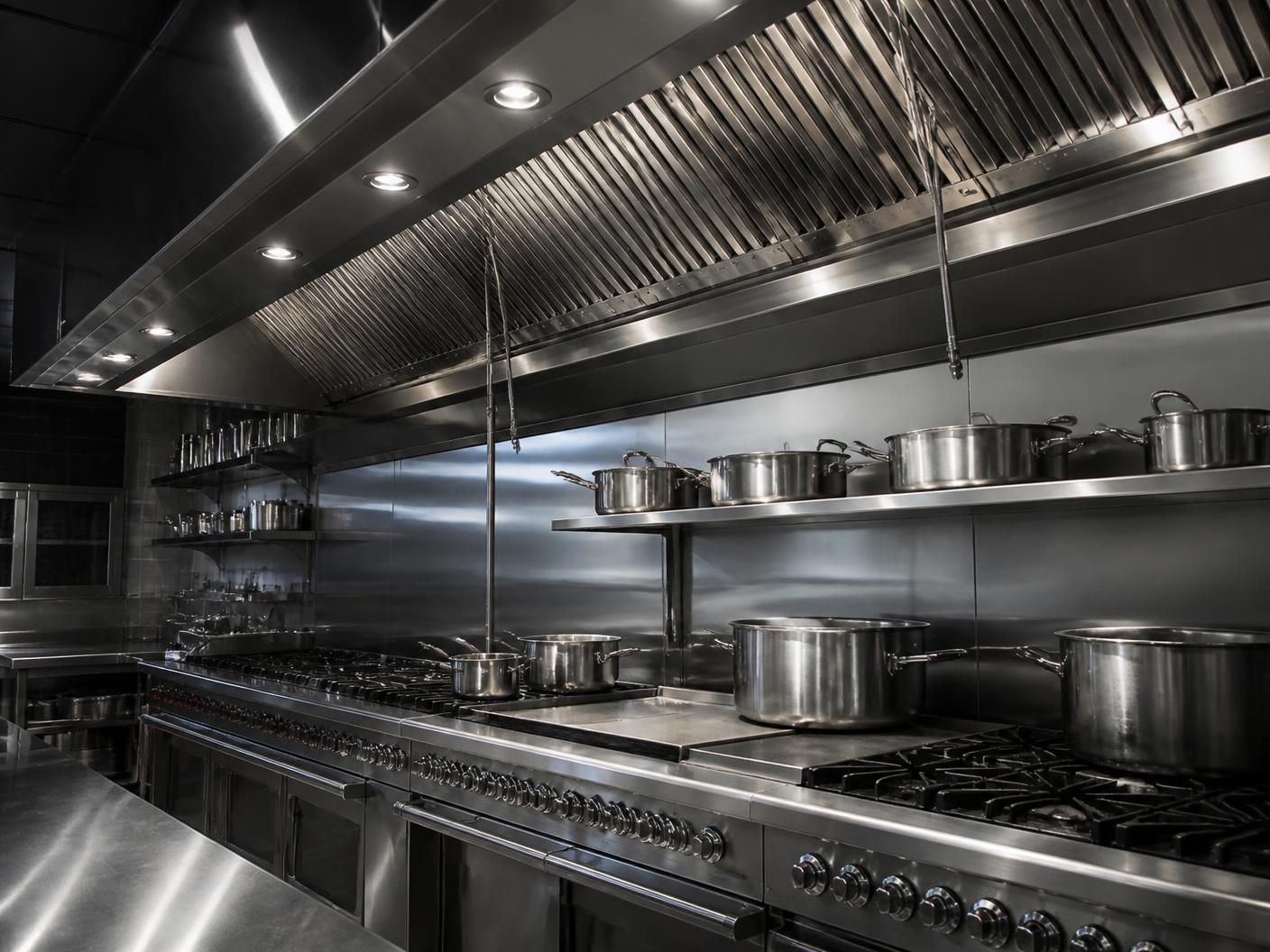
Restaurant hood cleaning is the same technical work as any commercial kitchen hood cleaning, with one hard constraint: the restaurant has to open on time. That constraint drives everything — when the crew arrives, how the kitchen is protected, how the work is sequenced, and how long the job can run before it becomes your problem instead of ours.
Scheduling around service
Charlotte restaurants rarely have a convenient daytime gap. Uptown lunch service rolls into dinner, South End patios run late, and brunch kills the weekend morning window. Practical slots usually look like: after close on a slower weeknight, before the opening prep shift, or during a scheduled closed day. Tell us your last ticket time and your first prep arrival and the visit gets planned inside that gap.
What gets cleaned
- Hood canopy, interior and plenum above the cooking line
- Baffle filters, grease troughs and cups
- Accessible duct runs through existing access panels
- Exhaust fan housing, blades and base
- Rooftop grease containment checked while the fan is open
If your kitchen only needs part of that — filters and hood now, full kitchen exhaust cleaning at the next interval — the scope can be split, as long as the plan is deliberate rather than a way to make a quote look cheaper.
Cooking type sets the interval
A charbroil and wood-fired concept can load a duct in a matter of weeks. A fast-casual kitchen running flat tops and fryers loads more slowly but pushes aerosolized oil deep into the run. A pizza kitchen with a gas deck oven and no fry station is different again. After the first service you get an honest read on how fast your system loads and what interval is defensible when an inspector or insurer asks. Background on that in the frequency guide.
Documentation your operation can use
Every visit should leave a record: date, scope, what was cleaned, what could not be reached and why. That record is what you hand to a fire inspector, a health inspector, an insurance underwriter or a landlord asking about the last cleaning. The restaurant hood cleaning checklist lists what to confirm on the paperwork before you sign off on a visit.
Getting a quote
Useful details: hood count and length, cooking equipment under each hood, rooftop or inline fan, roof access, last cleaning date, and the window your kitchen can be down. That is usually enough to price the job accurately. See how each factor moves the number on the cost page.
Frequently asked questions
Can hood cleaning be done overnight so the restaurant stays open?
Yes — overnight and pre-open windows are the normal way restaurant work is scheduled. The line needs to be cold and clear, which usually means starting after close and finishing before the first prep shift.
How often do restaurants need hood cleaning?
It depends on the cooking. Charbroil, wood-fired and heavy fry lines load a system quickly and often run on a short interval; lighter menus can go longer. The right answer comes from inspecting how much grease the system actually holds at the current interval.
Will the kitchen be usable for the next service?
That is the standard. Equipment and surfaces are covered before work starts and the kitchen is cleaned down afterward so the opening shift walks into a ready line.
Request a commercial hood cleaning quote
Tell us about your kitchen — cooking line, hood count and how the system is used — and we will follow up with scheduling and pricing details.